How Emotional Marketing Builds Brands People Love
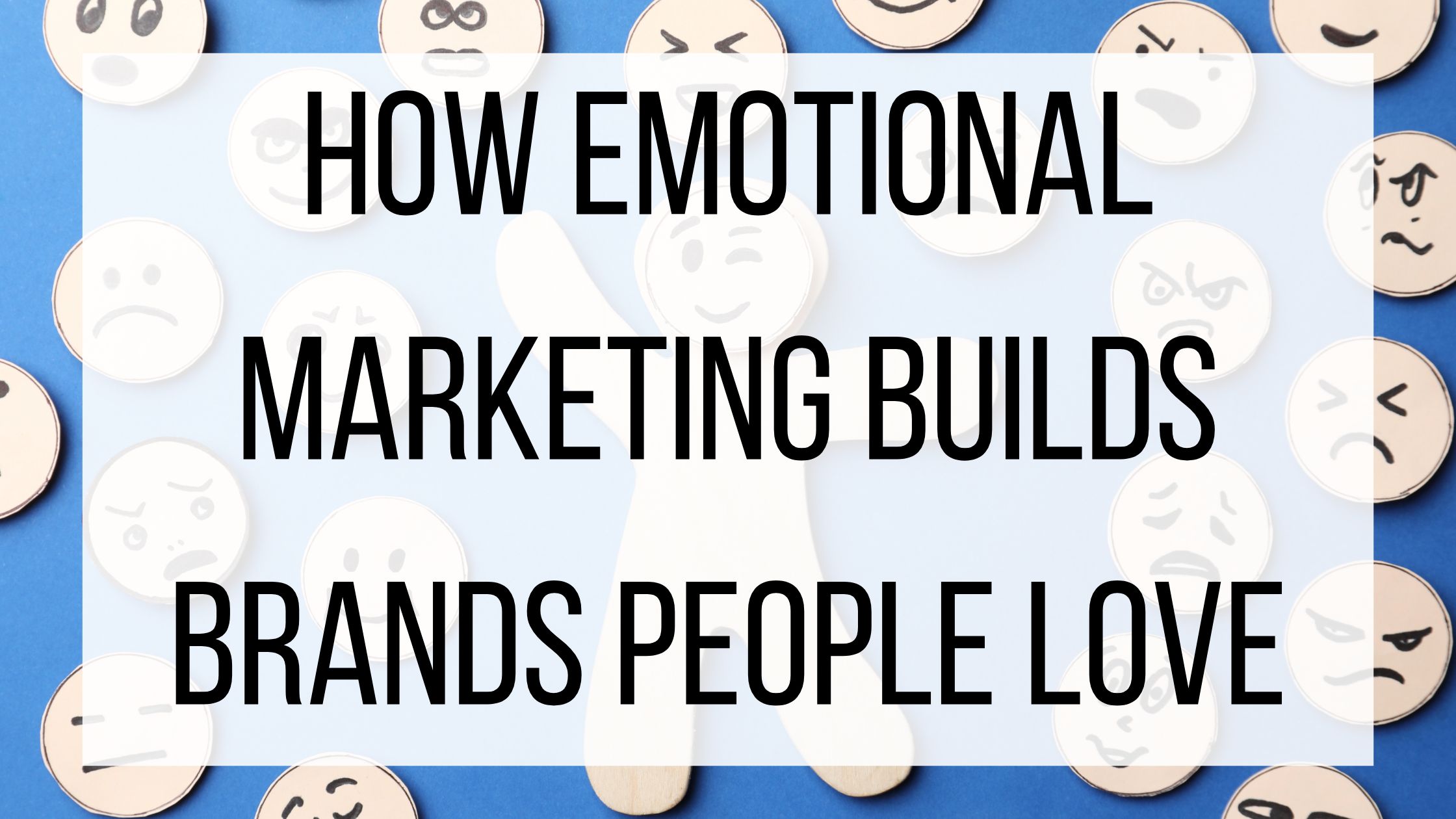
Each day, we experience dozens of emotions- positive, some negative- all shaped by our mindset, circumstances, and social interactions. It has been suggested that humans are driven by just four core emotions: happiness, sadness, fear, and anger. When these basic emotions blend, they form a complex spectrum known as the “wheel of emotion,” a concept introduced by psychologist Robert Plutchik. By using this emotional framework for your marketing, it can help you connect with and attract a wider audience.
What Is Emotional Marketing?
Emotional marketing usually centers on a single core emotion to capture attention, encourage sharing, and drive purchases. When you focus on one clear emotion, your message is more likely to resonate and prompt a response. Depending on your audience, this may mean tapping into a more specific feeling on the emotion wheel rather than relying on a broad or vague emotion. For instance, instead of aiming for general interest, you might try to create excitement.
What Makes Emotional Marketing Work?
People experience a wide range of emotions every day. When you think back on significant moments in your life, both positive and negative, you’re likely to remember the ones that stirred strong feelings far more clearly than those that didn’t because of the powerful emotions attached to them. The same principle applies to marketing and advertising- when emotion is added to a message, it becomes more memorable and impactful.
Emotional marketing helps create a stronger first impression with customers. Imagine one advertisement that simply explains a product and another that makes you laugh- chances are you’ll remember the funny one. That emotional response encourages people to talk about the ad with friends and family and even share it on social media so others can enjoy it too. The same effect applies to ads that evoke deeper emotions, such as Microsoft’s “We All Win” ad. Research shows that emotional campaigns perform twice as well as those based purely on rational messaging, largely because customers tend to make decisions based on how they feel rather than on information alone.
Emotional marketing is not only an effective way to promote products and increase sales, but also a powerful strategy for building a strong brand. The more strongly an audience experiences emotions, the more likely they are to share the content. For example, when a video makes someone laugh, feel nostalgic, or pause to contemplate a message, they often want to pass that feeling along to friends and loved ones. This helps with word-of-mouth marketing and can also make the customer relate that feeling to your brand.
How To Use Emotional Marketing:
As with any marketing plan, start by clearly understanding your audience. Knowing who you’re targeting helps you choose the right emotions to appeal to and ensures your efforts deliver maximum value. Align your color choices with the emotions you want to evoke, as color psychology can significantly influence marketing success when used effectively. Use your advertising to tell a compelling story that inspires a movement or a clear call to action. Show real people using your product or service, highlight the positive impact it has on their lives, and demonstrate how others can benefit as well. Finally, track your ROI to understand how your audience is responding and identify where adjustments are needed.
Incorporating emotion into your marketing can be challenging, but it is a proven way to create a more personal connection between customers and your brand. By conducting thorough research, planning strategically, and listening closely to your audience, you can develop your most effective and impactful advertising campaign yet.